

Understanding glioma,
from diagnosis to care
Gliomas explained through the WHO 2021 classification and current research — in plain language, for patients, caregivers, and clinicians.
Estimated new glioma cases per year in the United States.
Diagnosis now starts with molecular features like IDH status — not just appearance under the microscope.
Most plans combine surgery, radiation, systemic therapy, and ongoing supportive care.
What is a glioma, and how is it classified?
Gliomas arise from glial cells — the brain’s supportive cells. The WHO 2021 update shifted classification from how a tumor looks to its molecular markers, so diagnosis now begins with a single question: is IDH mutated?
Oligodendroglioma
The most favourable diffuse glioma. Codeletion of 1p/19q predicts longer survival and chemo-sensitivity.
Astrocytoma
Astrocytic lineage, marked by ATRX loss and TP53. Can progress to grade 4 over time.
Glioblastoma
The most aggressive adult glioma, defined by TERT, +7/−10, and EGFR amplification.
WHO tumor grades 1–4
Grade reflects how abnormal the cells look and how fast the tumor grows. Higher grade means faster growth.
Grau 1
Grau 2
Grau 3
Grau 4
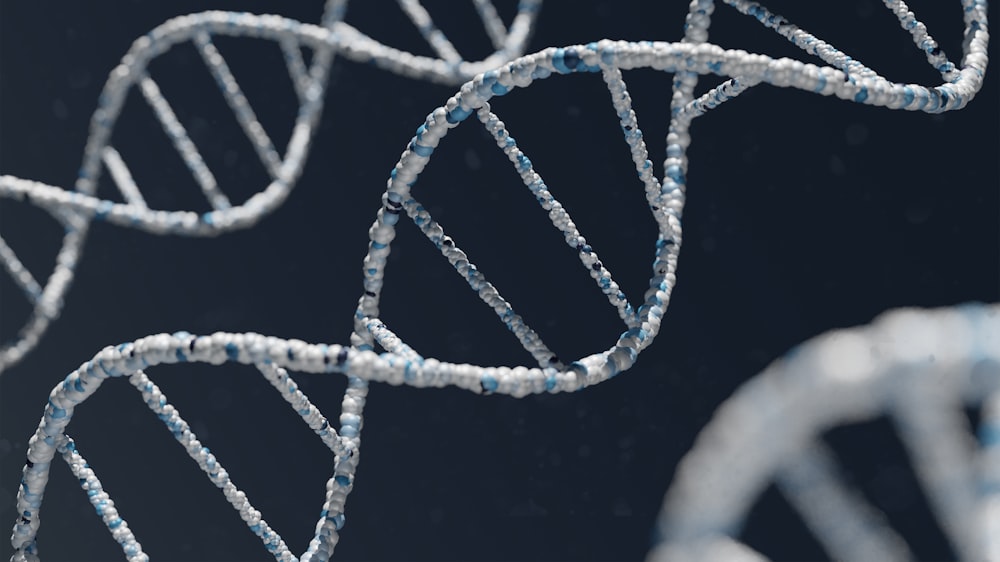
The biomarkers that define your tumor
Modern classification depends on specific molecular markers — each revealing something different about the tumor and its likely behaviour.
The single most important test. Splits diffuse gliomas into IDH-mutant (more favourable) and IDH-wildtype (glioblastoma).
~80% of grade 2–3 gliomasDefines oligodendroglioma when paired with an IDH mutation. Codeletion means significantly longer survival.
~15–20% of diffuse gliomasLoss points to astrocytic lineage. Mutually exclusive with 1p/19q codeletion.
~70% of IDH-mutant astrocytomasMethylation predicts a better response to temozolomide chemotherapy.
~40–50% of glioblastomasCommon in glioblastoma and associated with aggressive behaviour.
~70–80% of glioblastomasUpgrades an IDH-mutant astrocytoma to grade 4, marking higher-grade disease.
Marks higher-grade diseaseTreatment options for glioma
Treatment depends on tumor type, grade, location, and overall health. Most plans combine several approaches.
Surgery
Resection to reduce tumor mass, relieve pressure, and obtain tissue for diagnosis.
Radiation therapy
Targeted high-energy beams to destroy remaining cancer cells after surgery.
Chemotherapy / TMZ
Temozolomide (oral) or other medications to attack cancer cells throughout the brain.
Targeted therapy
Drugs designed for specific molecular targets, such as IDH inhibitors (vorasidenib).
Clinical trials
Access to cutting-edge experimental treatments and emerging therapies.
Watch & wait
Active observation with regular MRI scans for low-grade tumors not yet requiring treatment.
Your multidisciplinary care team
Glioma care is delivered by a team — specialists who diagnose and treat, and those who protect day-to-day quality of life.
Neurosurgeon
Performs brain surgery for tumor removal or biopsy.
Best for: resection strategy, biopsy decisions, and surgery-related risk.
Neuro-oncologist
Brain-tumor specialist who leads treatment planning.
Best for: integrating pathology, imaging, medication, and trial options into one plan.
Radiation oncologist
Plans and delivers precision radiation therapy.
Best for: dose planning, side effects, and timing around surgery or chemo.
Nurse navigator
Guides you through appointments, insurance, and logistics.
Best for: referrals, scheduling, records, and getting the right people in the room.
Neuro-oncology nurse
Day-to-day care coordination and symptom management.
Best for: new symptoms, medication questions, and urgent care coordination.
Mental health
Psychological support for patients and caregivers.
Best for: coping with uncertainty, caregiver strain, and adjustment after diagnosis.
You are not alone
These organisations provide information, community, and support for brain-tumor patients and caregivers.
American Brain Tumor Association
Comprehensive information, patient support programs, and research funding.
Visit ABTA NavigationBrain Tumor Network
Free mentoring, second-opinion support, and personalised assistance.
Visit BTN Research + policyNational Brain Tumor Society
Leading nonprofit investing in research, advocacy, and patient services.
Visit NBTS Subtype communityOligo Nation
Community and resources specifically for oligodendroglioma patients and families.
Visit Oligo Nation AdvocacyEnd Brain Cancer Initiative
Research advocacy and patient resources focused on accelerating cures.
Visit EBCI Emotional supportCancerCare
Free professional counseling, support groups, and financial assistance.
Visit CancerCare
Ready to explore clinical trials?
Search hundreds of glioma clinical trials and find the ones relevant to your specific diagnosis.
Find clinical trials