
Understanding Meningioma,
from diagnosis to care
Meningiomas arise from the meninges — the protective layers around the brain and spinal cord. Most are benign and slow-growing, and the WHO 2021 system classifies them by grade and molecular features.
New meningioma cases per year (U.S. est.)
Diagnosis combines imaging, pathology, and molecular features to guide care.
Most plans combine surgery, radiation, systemic therapy, and ongoing supportive care.
What is meningioma, and how is it classified?
The subtypes below summarise how this condition is classified in modern neuro-oncology — each behaves differently and is treated differently.
Grade 1 — Benign
~80% of cases. Slow-growing. Often curable with complete resection. 5-year survival >90%.
Grade 2 — Atypical
~15-18% of cases. Higher recurrence rate. May require adjuvant radiation. 5-year survival ~80%.
Grade 3 — Anaplastic / Malignant
~2-3% of cases. Aggressive. High recurrence. 5-year survival ~55-65%.
The biomarkers that define your tumor
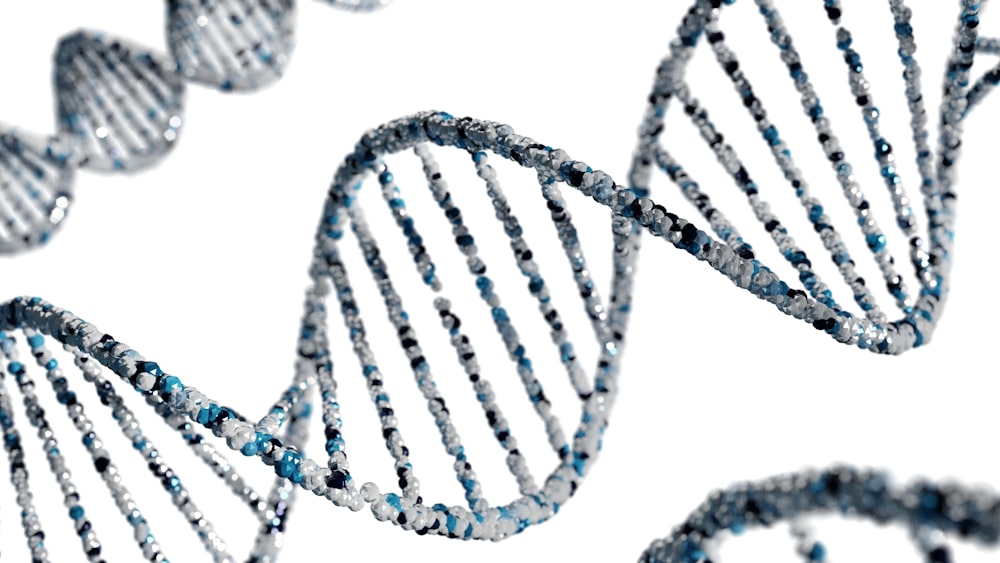
Modern classification depends on specific molecular markers — each revealing something different about the tumor and its likely behaviour.
Most common genetic alteration in meningioma. Loss of NF2/merlin function is associated with all grades and is foundational to meningioma biology.
~60% of meningiomasFound predominantly in Grade 1 meningothelial meningiomas with skull base predilection. Potential therapeutic target.
~10% of meningiomasOften co-occurs with KLF4 or AKT1 mutations. Plays a key role in non-NF2 meningioma pathogenesis.
~25% of meningiomasActivating mutations in the Hedgehog signaling pathway. Preferentially found in olfactory groove meningiomas.
~5% of meningiomasCo-occurs with TRAF7 mutations. Strongly associated with secretory meningioma subtype.
~10% of meningiomasActivating mutations in the PI3K signaling pathway. Found in skull base meningiomas. Potential therapeutic target.
~5% of meningiomasAssociated with higher grade and increased recurrence risk. Considered a poor prognostic marker across meningioma subtypes.
Poor prognostic markerAssociated with Grade 3 meningioma. WHO 2021 allows grading upgrade to anaplastic based on this deletion alone. More aggressive course.
Key grading criterionDefines clear cell meningioma subtype. Associated with familial clear cell meningioma predisposition.
Clear cell subtypeAssociated with rhabdoid morphological features. Part of the BAP1 tumor predisposition syndrome affecting multiple organ systems.
BAP1 syndrome markerTreatment options for Meningioma
Treatment depends on tumor type, grade, location, and overall health. Most plans combine several approaches.
Surgery
Primary treatment. Simpson grading scale (I-V) for extent of resection. Skull base approaches for complex locations.
Radiation Therapy
Post-operative for incompletely resected or higher-grade tumors. IMRT and proton therapy options available.
Stereotactic Radiosurgery
Gamma Knife, CyberKnife for small tumors (<3cm), residual, or recurrent meningiomas. Single fraction delivery.
Observation
For small, asymptomatic tumors. Serial MRI monitoring at regular intervals to track growth rate.
Systemic Therapy
Limited role currently. Hydroxyurea, bevacizumab for refractory cases. Emerging: SMO inhibitors, CDK4/6 inhibitors, FAK inhibitors.
Clinical Trials
Access cutting-edge experimental treatments and emerging targeted therapies
Your multidisciplinary care team
Care is delivered by a team — specialists who diagnose and treat, and those who protect day-to-day quality of life.
Neurosurgeon
Performs brain or spine surgery for tumor removal or biopsy.
Best for: resection strategy, biopsy decisions, and surgery-related risk.
Neuro-oncologist
Brain-tumor specialist who leads treatment planning.
Best for: integrating pathology, imaging, medication, and trial options into one plan.
Radiation oncologist
Plans and delivers precision radiation therapy.
Best for: dose planning, side effects, and timing around surgery or systemic therapy.
Nurse navigator
Guides you through appointments, insurance, and logistics.
Best for: referrals, scheduling, records, and getting the right people in the room.
Oncology nurse
Day-to-day care coordination and symptom management.
Best for: new symptoms, medication questions, and urgent care coordination.
Mental health
Psychological support for patients and caregivers.
Best for: coping with uncertainty, caregiver strain, and adjustment after diagnosis.
You are not alone
These organisations provide information, community, and support for brain & spine tumor patients and caregivers.
Meningioma Mommas
A dedicated meningioma-specific support community offering peer connection, resources, and hope for patients and families.
Visit site ResourceNational Brain Tumor Society
Leading nonprofit investing in research, advocacy, and patient services for all brain tumors including meningioma.
Visit site ResourceAmerican Brain Tumor Association
Comprehensive brain tumor information, patient support programs, and research funding for all tumor types.
Visit site ResourceThe Brain Tumour Charity (UK)
The world’s leading brain tumour charity, funding research and providing support and information across the UK.
Visit site ResourceBen and Catherine Ivy Center
Advanced treatment and research programs for brain tumors at leading academic medical centers.
Visit site ResourceCBTRUS
Central Brain Tumor Registry of the United States — the largest population-based registry for primary brain tumors.
Visit site ResourceBrain Science Foundation
Dedicated to meningioma and brain science research, funding innovative studies and providing patient education resources.
Visit site ResourceNF2 BioSolutions
Supporting research and patient resources for NF2-related meningiomas and other NF2 tumors.
Visit site ResourceNCI-CONNECT
National Cancer Institute’s rare brain and spine tumor network, offering expert guidance and clinical trial information.
Visit site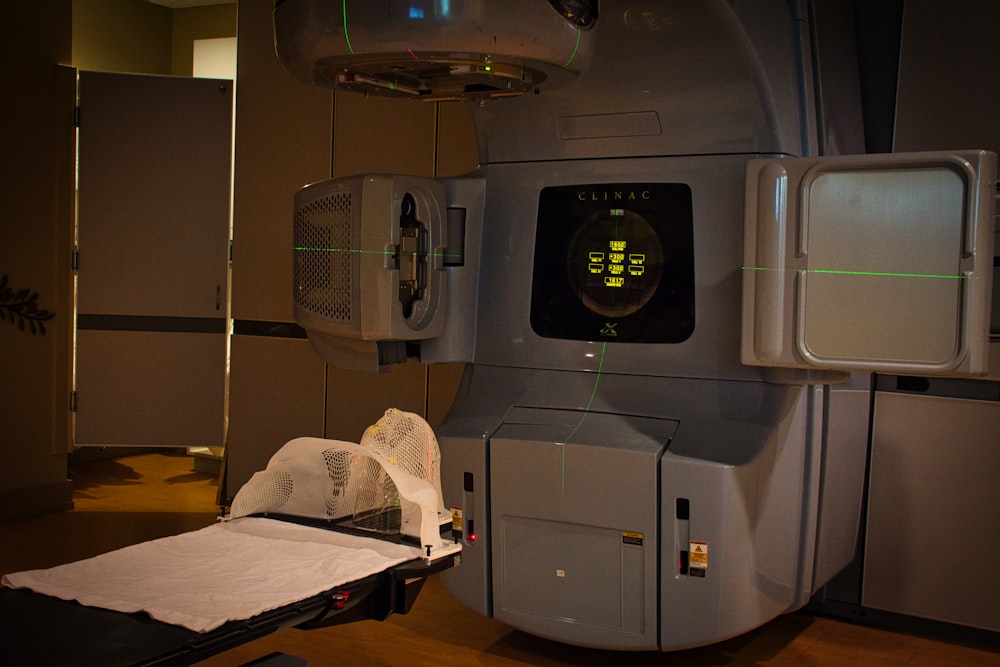
Ready to explore clinical trials?
Search hundreds of meningioma clinical trials and find the ones relevant to your specific diagnosis.
Find clinical trials