

Understanding Medulloblastoma,
from diagnosis to care
Medulloblastoma is the most common malignant brain tumor in children, arising in the posterior fossa. WHO 2021 classification defines four molecular subgroups with distinct biology and outcomes.
New Cases per Year in U.S. (Children)
Diagnosis combines imaging, pathology, and molecular features to guide care.
Most plans combine surgery, radiation, systemic therapy, and ongoing supportive care.
What is medulloblastoma, and how is it classified?
The subtypes below summarise how this condition is classified in modern neuro-oncology — each behaves differently and is treated differently.
WNT-activated
Best prognosis (~95% survival). CTNNB1 mutations, monosomy 6. Rarely metastatic. Older children and adolescents.
SHH-activated, TP53 wild-type
Good prognosis. Includes desmoplastic/nodular variant in infants. PTCH1/SUFU/SMO mutations. Responds to SMO inhibitors.
SHH-activated, TP53 mutant
Poor prognosis. Frequent in adolescents/young adults. MYC amplification, chromothripsis. Li-Fraumeni syndrome association.
Group 3
Worst prognosis. MYC amplification, large cell/anaplastic histology. Predominantly male infants/children. High metastatic rate.
Group 4
Most common subgroup (~35%). Intermediate prognosis. Isochromosome 17q, KDM6A mutations. Predominantly male.

The biomarkers that define your tumor
Modern classification depends on specific molecular markers — each revealing something different about the tumor and its likely behaviour.
Nuclear accumulation defines WNT subgroup. Somatic mutations in exon 3. Excellent prognostic indicator.
WNT subgroupMutations in SHH subgroup confer significantly worse prognosis. Associated with chromothripsis and Li-Fraumeni.
SHH prognosticLoss-of-function mutations activate Hedgehog pathway. Predicts response to SMO inhibitors like vismodegib.
SHH subgroupAmplification defines high-risk Group 3 tumors. Associated with large cell/anaplastic histology.
Group 3 markerAmplification in SHH subgroup associated with worse outcomes. Found in ~5-10% of medulloblastomas.
SHH/Group 4Amplification/overexpression in Group 3 and Group 4. Transcription factor regulating cerebellar development.
Group 3/4Loss-of-function mutations in Group 4, located on X chromosome. Explains male predominance.
Group 4Mutations in Group 3 and 4. Part of SWI/SNF chromatin remodeling complex.
Group 3/4How medulloblastoma can present
Symptoms vary by tumor location and size. This is general information — only your care team can interpret your situation.
Posterior Fossa
Headache (often morning), nausea, vomiting from increased intracranial pressure due to hydrocephalus.
Cerebellar
Ataxia, unsteady gait, poor coordination, tremor, dysmetria.
Brainstem Compression
Cranial nerve palsies, double vision, facial weakness, swallowing difficulty.
Spinal Metastasis
Back pain, leg weakness, sensory changes, bladder dysfunction from drop metastases.
Cognitive/Behavioral
Personality changes, academic decline, irritability, especially in young children.
Hydrocephalus
Increasing head circumference (infants), papilledema, altered consciousness.
Treatment options for Medulloblastoma
Treatment depends on tumor type, grade, location, and overall health. Most plans combine several approaches.
Surgery
Maximal safe resection via posterior fossa craniotomy. Gross total resection improves outcomes. Careful attention to cerebellar mutism risk.
Craniospinal Irradiation
Standard for children >3 years. Reduced-dose CSI for average-risk WNT/non-metastatic. Boost to tumor bed and metastatic sites.
Chemotherapy
Cisplatin/vincristine/cyclophosphamide-based regimens. Adjuvant after radiation. High-dose chemo with stem cell rescue for infants.
Targeted Therapy
SMO inhibitors (vismodegib, sonidegib) for SHH subgroup. CDK4/6 inhibitors under investigation for Group 3/4.
Infant Protocols
Chemotherapy-only approaches to avoid/delay radiation in children <3 years. Intensive regimens with autologous transplant.
Clinical Trials
Molecular subgroup-directed trials. De-escalation for WNT, intensification for high-risk Group 3.
Your multidisciplinary care team
Care is delivered by a team — specialists who diagnose and treat, and those who protect day-to-day quality of life.
Neurosurgeon
Performs brain or spine surgery for tumor removal or biopsy.
Best for: resection strategy, biopsy decisions, and surgery-related risk.
Neuro-oncologist
Brain-tumor specialist who leads treatment planning.
Best for: integrating pathology, imaging, medication, and trial options into one plan.
Radiation oncologist
Plans and delivers precision radiation therapy.
Best for: dose planning, side effects, and timing around surgery or systemic therapy.
Nurse navigator
Guides you through appointments, insurance, and logistics.
Best for: referrals, scheduling, records, and getting the right people in the room.
Oncology nurse
Day-to-day care coordination and symptom management.
Best for: new symptoms, medication questions, and urgent care coordination.
Mental health
Psychological support for patients and caregivers.
Best for: coping with uncertainty, caregiver strain, and adjustment after diagnosis.
You are not alone
These organisations provide information, community, and support for brain & spine tumor patients and caregivers.
CERN Foundation
Collaborative Ependymoma Research Network supporting research for all embryonal tumors including medulloblastoma.
Visit site ResourcePediatric Brain Tumor Foundation
Resources, support, and research funding for families affected by childhood brain tumors.
Visit site ResourceNational Brain Tumor Society
Leading nonprofit investing in research, advocacy, and patient services for all brain tumors.
Visit site ResourceSt. Baldrick's Foundation
Funding childhood cancer research including medulloblastoma clinical trials and biology studies.
Visit site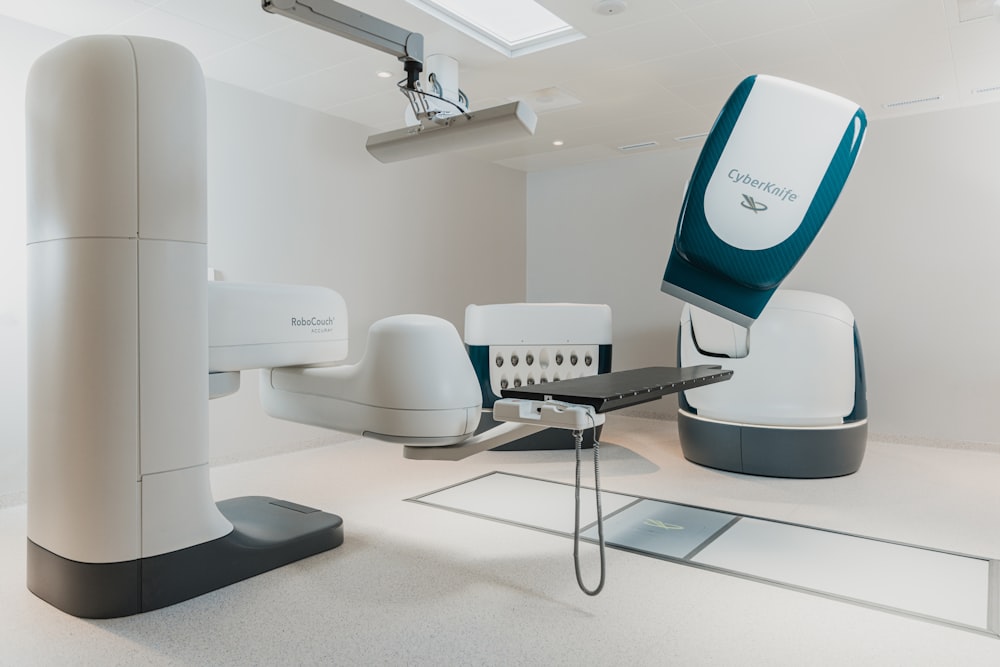
Ready to explore clinical trials?
Search clinical trials for medulloblastoma and find the ones that match your specific molecular subgroup.
Find clinical trials