

Understanding CNS Lymphoma,
from diagnosis to care
Primary CNS lymphoma is a rare, aggressive brain tumor of immune cells. Advances in high-dose methotrexate-based chemotherapy, BTK inhibitors, and autologous stem cell transplant are transforming outcomes.
New PCNSL Cases per Year (U.S.)
Diagnosis combines imaging, pathology, and molecular features to guide care.
Most plans combine surgery, radiation, systemic therapy, and ongoing supportive care.
What is cns lymphoma, and how is it classified?
The subtypes below summarise how this condition is classified in modern neuro-oncology — each behaves differently and is treated differently.
Primary CNS DLBCL
Most common type (~95% of PCNSL). Diffuse large B-cell lymphoma confined to the brain, eyes, leptomeninges, or spinal cord. ABC/non-GCB phenotype predominates.
Vitreoretinal Lymphoma
Intraocular lymphoma often associated with or preceding PCNSL. Presents with vitreous floaters, blurred vision. Requires slit-lamp exam and vitreous biopsy.
Leptomeningeal Lymphoma
Lymphoma involving the meninges and CSF. Can be primary or secondary. Presents with cranial neuropathies, headache, hydrocephalus.
Secondary CNS Lymphoma
Systemic lymphoma (DLBCL, Burkitt, mantle cell, T-cell) relapsing in or spreading to the CNS. Higher risk with certain subtypes.
Intravascular Lymphoma
Rare subtype with lymphoma cells within blood vessel lumens. Can cause stroke-like symptoms, cognitive decline.
T-cell CNS Lymphoma
Very rare. Peripheral T-cell lymphomas involving the CNS. Worse prognosis than B-cell PCNSL.
The biomarkers that define your tumor
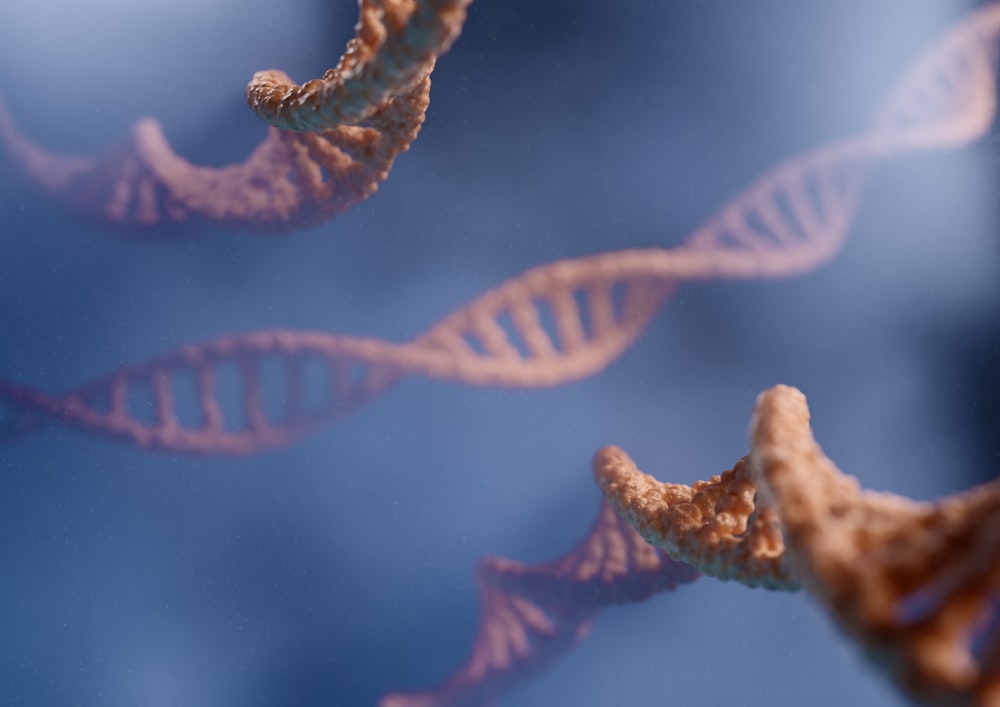
Modern classification depends on specific molecular markers — each revealing something different about the tumor and its likely behaviour.
Present in ~70-80% of PCNSL. Activates NF-kB pathway. Targetable with BTK inhibitors. Key diagnostic marker distinguishing PCNSL from other CNS tumors.
~70-80% of PCNSLMutated in ~30-40% of PCNSL. Co-occurs with MYD88. Activates BCR signaling. Predicts response to BTK inhibitors (ibrutinib, zanubrutinib).
~30-40% of PCNSLRearrangement or overexpression in a subset of PCNSL. Germinal center marker. May be associated with different biology than MYD88-mutant cases.
VariableMYC rearrangement or amplification associated with aggressive behavior. Double-hit lymphoma (MYC + BCL2/BCL6) confers worse prognosis.
Poor prognosticStrongly expressed in PCNSL (>90%). Confirms ABC/non-GCB phenotype. Part of the Hans algorithm for cell-of-origin classification.
>90% of PCNSL9p24.1 copy number gains and PD-L1 overexpression common in PCNSL. Rationale for checkpoint inhibitor therapy.
~50% of PCNSLHomozygous deletion associated with worse prognosis in PCNSL. Loss of p16 tumor suppressor function.
Poor prognosticMutations in ~20% of PCNSL. Associated with genomic instability and potentially worse outcomes.
~20% of PCNSLHow cns lymphoma can present
Symptoms vary by tumor location and size. This is general information — only your care team can interpret your situation.
Cognitive / Behavioral
Memory loss, personality changes, confusion, executive dysfunction. Most common presentation due to deep white matter and periventricular location.
Focal Neurological
Hemiparesis, aphasia, visual field deficits depending on tumor location. Often multifocal or deep-seated lesions.
Increased Intracranial Pressure
Headache, nausea, vomiting, papilledema from mass effect or hydrocephalus.
Ocular Symptoms
Blurred vision, floaters, decreased visual acuity. ~15-25% of PCNSL involves the eyes (vitreoretinal lymphoma).
Seizures
Less common than in other brain tumors but can occur, especially with cortical involvement.
CSF / Leptomeningeal
Cranial nerve palsies, radiculopathy from leptomeningeal involvement. CSF cytology may show lymphoma cells.
Treatment options for CNS Lymphoma
Treatment depends on tumor type, grade, location, and overall health. Most plans combine several approaches.
High-Dose Methotrexate
Backbone of PCNSL treatment. HD-MTX (3.5-8 g/m²) crosses the blood-brain barrier. Often combined with rituximab, cytarabine, and/or thiotepa (MATRix, R-MPV regimens).
Rituximab
Anti-CD20 monoclonal antibody added to HD-MTX backbone. R-MPV (rituximab, MTX, procarbazine, vincristine) and MATRix are standard induction regimens.
Consolidation Transplant
High-dose chemotherapy with thiotepa-based conditioning followed by autologous stem cell transplant (ASCT). Increasingly preferred over WBRT for consolidation.
BTK Inhibitors
Ibrutinib, zanubrutinib, and pirtobrutinib show high response rates in relapsed PCNSL, especially with MYD88/CD79B mutations. Oral agents with CNS penetration.
Whole Brain Radiation
Historically used for consolidation but associated with neurocognitive toxicity. Now typically reserved for elderly or transplant-ineligible patients at reduced doses.
Clinical Trials
Novel agents: CAR-T therapy, bispecific antibodies, lenalidomide, checkpoint inhibitors, and novel combinations for relapsed/refractory disease.
Your multidisciplinary care team
Care is delivered by a team — specialists who diagnose and treat, and those who protect day-to-day quality of life.
Neurosurgeon
Performs brain or spine surgery for tumor removal or biopsy.
Best for: resection strategy, biopsy decisions, and surgery-related risk.
Neuro-oncologist
Brain-tumor specialist who leads treatment planning.
Best for: integrating pathology, imaging, medication, and trial options into one plan.
Radiation oncologist
Plans and delivers precision radiation therapy.
Best for: dose planning, side effects, and timing around surgery or systemic therapy.
Nurse navigator
Guides you through appointments, insurance, and logistics.
Best for: referrals, scheduling, records, and getting the right people in the room.
Oncology nurse
Day-to-day care coordination and symptom management.
Best for: new symptoms, medication questions, and urgent care coordination.
Mental health
Psychological support for patients and caregivers.
Best for: coping with uncertainty, caregiver strain, and adjustment after diagnosis.
You are not alone
These organisations provide information, community, and support for brain & spine tumor patients and caregivers.
Lymphoma Research Foundation
Education, support, and research funding for all lymphoma types including PCNSL.
Visit site ResourceNational Brain Tumor Society
Leading nonprofit investing in brain tumor research, advocacy, and patient support.
Visit site ResourceLeukemia & Lymphoma Society
Patient support, financial assistance, and clinical trial navigation for blood cancer patients.
Visit site ResourceNCCN Guidelines (CNS Cancers)
Evidence-based clinical practice guidelines for CNS lymphoma management.
Visit site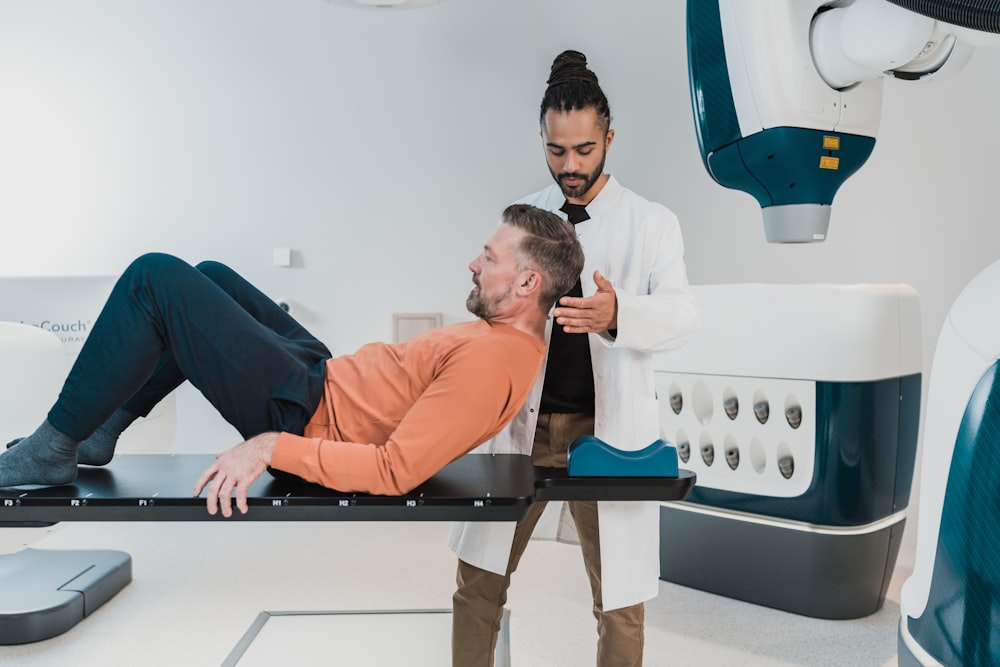
Ready to explore clinical trials?
Search clinical trials for CNS lymphoma and find the ones that match your specific diagnosis and molecular profile.
Find clinical trials