

Understanding Schwannoma,
from diagnosis to care
Schwannomas are benign nerve sheath tumors arising from Schwann cells. Vestibular schwannoma (acoustic neuroma) is the most common, affecting hearing and balance.
New Vestibular Schwannoma Cases/Year (U.S.)
Diagnosis combines imaging, pathology, and molecular features to guide care.
Most plans combine surgery, radiation, systemic therapy, and ongoing supportive care.
What is schwannoma, and how is it classified?
The subtypes below summarise how this condition is classified in modern neuro-oncology — each behaves differently and is treated differently.
Vestibular Schwannoma
Most common type (~90% of intracranial schwannomas). Arises from vestibular nerve (CN VIII). Causes hearing loss, tinnitus, balance issues.
Trigeminal Schwannoma
Second most common intracranial schwannoma. Facial numbness, pain, or weakness. May extend across posterior and middle fossa.
Facial Nerve Schwannoma
Rare. Progressive facial weakness, possible hearing loss. Arises from any segment of CN VII.
Spinal Schwannoma
Most common intradural-extramedullary spinal tumor. Radicular pain, weakness, sensory changes.
Peripheral Schwannoma
Arises from peripheral nerves in limbs or trunk. Palpable mass, Tinel sign, neurological deficit along nerve distribution.
NF2-related Schwannoma
Bilateral vestibular schwannomas are hallmark of NF2. Multiple schwannomas in schwannomatosis (LZTR1/SMARCB1 mutations).
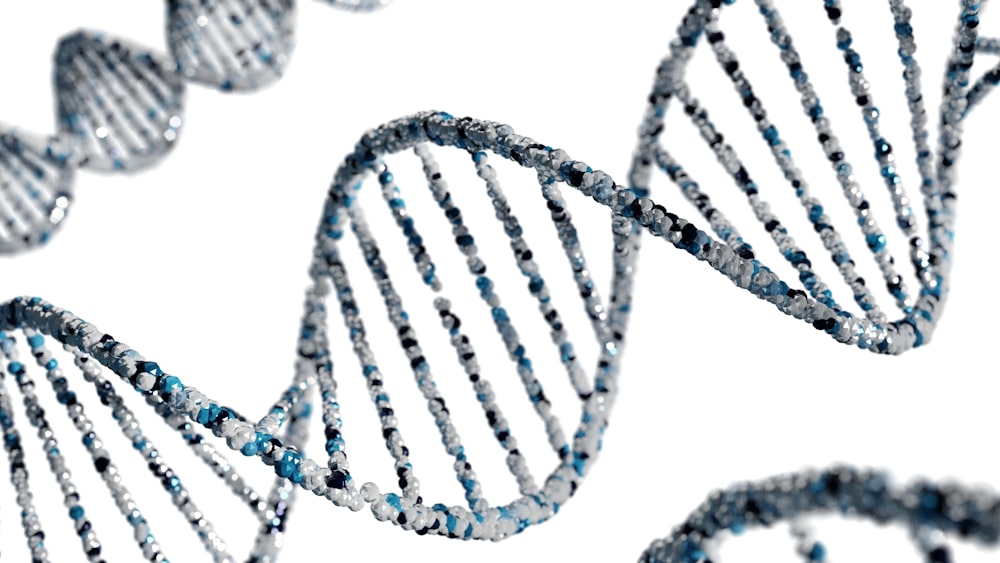
The biomarkers that define your tumor
Modern classification depends on specific molecular markers — each revealing something different about the tumor and its likely behaviour.
Biallelic NF2 loss in >90% of schwannomas. Merlin loss activates mTOR/Hippo pathways. Defines NF2 syndrome when germline.
Universal markerGermline mutations cause schwannomatosis type 2. Multiple schwannomas without vestibular involvement.
SchwannomatosisGermline mutations cause schwannomatosis type 1. Predisposes to multiple schwannomas and meningiomas.
SchwannomatosisNuclear staining confirms Schwann cell origin. Useful for differential diagnosis with other spindle cell tumors.
Lineage markerStrong diffuse positivity is characteristic. Classic IHC marker for schwannoma diagnosis.
Standard markerLow Ki-67 (<5%) is typical of benign schwannoma. Elevated index may suggest malignant transformation.
Growth indicatorHow schwannoma can present
Symptoms vary by tumor location and size. This is general information — only your care team can interpret your situation.
Hearing Loss
Progressive unilateral sensorineural hearing loss is the most common presenting symptom of vestibular schwannoma.
Tinnitus
Ringing, buzzing, or rushing sounds in the affected ear. Often an early symptom.
Balance Problems
Unsteadiness, vertigo, disequilibrium due to vestibular nerve dysfunction.
Facial Symptoms
Facial numbness (trigeminal schwannoma), weakness (facial nerve schwannoma), or hemifacial spasm.
Brainstem Compression
Large tumors can cause headache, hydrocephalus, ataxia, and cranial nerve palsies.
Spinal Symptoms
Radicular pain, weakness, and sensory changes along the affected nerve root distribution.
Treatment options for Schwannoma
Treatment depends on tumor type, grade, location, and overall health. Most plans combine several approaches.
Observation
Watch-and-wait with serial MRI for small, stable tumors. Appropriate for many patients, especially elderly or with serviceable hearing.
Microsurgery
Retrosigmoid, translabyrinthine, or middle fossa approaches. Goal: complete removal with facial nerve preservation. Koos grade guides approach.
Stereotactic Radiosurgery
Gamma Knife or CyberKnife for tumors <2.5-3cm. Excellent tumor control (~95%). Hearing preservation ~50-70%.
Fractionated Radiation
Fractionated stereotactic radiotherapy for larger tumors. Similar control to SRS with potentially less cranial nerve toxicity.
Bevacizumab
Anti-VEGF therapy for NF2-related schwannomas. Tumor shrinkage and hearing improvement in ~40% of patients.
Clinical Trials
MEK inhibitors, mTOR inhibitors, and novel targeted agents for NF2-related and growing schwannomas.
Your multidisciplinary care team
Care is delivered by a team — specialists who diagnose and treat, and those who protect day-to-day quality of life.
Neurosurgeon
Performs brain or spine surgery for tumor removal or biopsy.
Best for: resection strategy, biopsy decisions, and surgery-related risk.
Neuro-oncologist
Brain-tumor specialist who leads treatment planning.
Best for: integrating pathology, imaging, medication, and trial options into one plan.
Radiation oncologist
Plans and delivers precision radiation therapy.
Best for: dose planning, side effects, and timing around surgery or systemic therapy.
Nurse navigator
Guides you through appointments, insurance, and logistics.
Best for: referrals, scheduling, records, and getting the right people in the room.
Oncology nurse
Day-to-day care coordination and symptom management.
Best for: new symptoms, medication questions, and urgent care coordination.
Mental health
Psychological support for patients and caregivers.
Best for: coping with uncertainty, caregiver strain, and adjustment after diagnosis.
You are not alone
These organisations provide information, community, and support for brain & spine tumor patients and caregivers.
Acoustic Neuroma Association
Dedicated support for acoustic neuroma/vestibular schwannoma patients with resources, forums, and education.
Visit site ResourceChildren's Tumor Foundation
Supporting NF2 and schwannomatosis research, clinical care, and patient services.
Visit site ResourceNational Brain Tumor Society
Leading nonprofit investing in research, advocacy, and patient services for all brain tumors.
Visit site ResourceAmerican Brain Tumor Association
Comprehensive brain tumor information, patient support programs, and research funding.
Visit site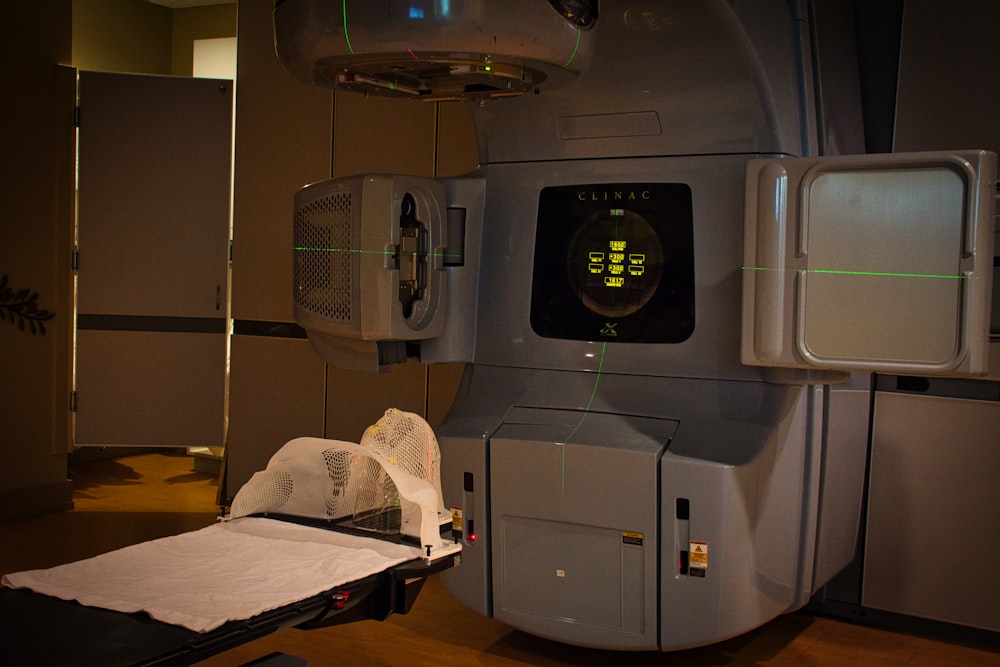
Ready to explore clinical trials?
Search clinical trials for schwannoma and find the ones that match your specific diagnosis.
Find clinical trials