

Understanding Brain Metastases,
from diagnosis to care
Brain metastases are the most common intracranial tumors in adults, occurring in 10-30% of cancer patients. Modern treatment integrates SRS, immunotherapy, and targeted agents based on the primary cancer biology.
New Brain Metastases Cases per Year (U.S.)
Diagnosis combines imaging, pathology, and molecular features to guide care.
Most plans combine surgery, radiation, systemic therapy, and ongoing supportive care.
What is brain metastases, and how is it classified?
The subtypes below summarise how this condition is classified in modern neuro-oncology — each behaves differently and is treated differently.
Non-Small Cell Lung Cancer
Most common cause of brain metastases. EGFR, ALK, ROS1, and KRAS mutations guide targeted therapy selection. CNS-penetrant TKIs available.
Small Cell Lung Cancer
High rate of brain metastases (~50%). Prophylactic cranial irradiation (PCI) reduces incidence. Immunotherapy increasingly used.
Breast Cancer
HER2+ and triple-negative subtypes have highest brain tropism. Tucatinib+trastuzumab for HER2+. Limited CNS options for TNBC.
Melanoma
High brain metastasis rate (~40-50%). Dramatic responses to combination immunotherapy (nivo+ipi). BRAF-targeted therapy for BRAF-mutant.
Renal Cell Carcinoma
Brain metastases in 5-10%. Respond to SRS. Immunotherapy (nivolumab/cabozantinib) has CNS activity.
Colorectal Cancer
Brain metastases are relatively rare (~3%). Often late in disease course. Limited systemic treatment options for CNS disease.
Leptomeningeal Disease
Carcinomatous meningitis with cancer cells in CSF. Diagnosed by MRI and CSF cytology. Poor prognosis, intrathecal therapy.

The biomarkers that define your tumor
Modern classification depends on specific molecular markers — each revealing something different about the tumor and its likely behaviour.
Mutations (exon 19 del, L858R) predict response to osimertinib, which has excellent CNS penetration and activity.
NSCLCRearrangements predict response to lorlatinib (3rd-gen ALK TKI) with superior CNS penetration and activity.
NSCLCOverexpression predicts response to tucatinib+trastuzumab+capecitabine with significant CNS activity.
Breast cancerPresent in ~50% of melanoma. Dabrafenib+trametinib combination has intracranial response rates of 50-60%.
MelanomaExpression predicts response to checkpoint immunotherapy. Combination nivo+ipi has >50% intracranial response in melanoma.
Multiple cancersSotorasib and adagrasib have CNS activity in KRAS G12C-mutant NSCLC brain metastases.
NSCLCPredicts response to entrectinib and lorlatinib, both with CNS penetration for brain metastases.
NSCLCFusions across tumor types. Larotrectinib and entrectinib show intracranial activity.
Tumor-agnosticHow brain metastases can present
Symptoms vary by tumor location and size. This is general information — only your care team can interpret your situation.
Headache
New or worsening headache, often worse in the morning. Present in ~50% of patients. May indicate raised intracranial pressure.
Focal Neurological Deficits
Weakness, numbness, or speech difficulties depending on metastasis location. Often gradual onset.
Seizures
New-onset seizures in a cancer patient should prompt brain imaging. Present in ~20% of brain metastases.
Cognitive Changes
Memory loss, confusion, personality changes, especially with multiple or frontal metastases.
Visual Changes
Visual field defects, double vision, or blurred vision depending on location and mass effect.
Leptomeningeal Signs
Cranial neuropathies, radiculopathy, headache, and altered mental status from meningeal involvement.
Treatment options for Brain Metastases
Treatment depends on tumor type, grade, location, and overall health. Most plans combine several approaches.
Stereotactic Radiosurgery
Standard for limited brain metastases (1-10). Single-fraction, high-dose radiation to each lesion. Excellent local control ~85-90%.
Surgery
For large (>3cm), symptomatic, or solitary metastases causing mass effect. Post-operative SRS to resection cavity.
Whole Brain Radiation
For multiple (>10) metastases or leptomeningeal disease. Hippocampal-avoidance WBRT reduces cognitive toxicity.
Immunotherapy
Checkpoint inhibitors (nivolumab, ipilimumab, pembrolizumab) have significant intracranial activity, especially in melanoma.
Targeted Therapy
CNS-penetrant agents: osimertinib (EGFR), lorlatinib (ALK), tucatinib (HER2), dabrafenib+trametinib (BRAF).
Clinical Trials
SRS+immunotherapy combinations, novel CNS-penetrant agents, and liquid biopsy-guided approaches under investigation.
Your multidisciplinary care team
Care is delivered by a team — specialists who diagnose and treat, and those who protect day-to-day quality of life.
Neurosurgeon
Performs brain or spine surgery for tumor removal or biopsy.
Best for: resection strategy, biopsy decisions, and surgery-related risk.
Neuro-oncologist
Brain-tumor specialist who leads treatment planning.
Best for: integrating pathology, imaging, medication, and trial options into one plan.
Radiation oncologist
Plans and delivers precision radiation therapy.
Best for: dose planning, side effects, and timing around surgery or systemic therapy.
Nurse navigator
Guides you through appointments, insurance, and logistics.
Best for: referrals, scheduling, records, and getting the right people in the room.
Oncology nurse
Day-to-day care coordination and symptom management.
Best for: new symptoms, medication questions, and urgent care coordination.
Mental health
Psychological support for patients and caregivers.
Best for: coping with uncertainty, caregiver strain, and adjustment after diagnosis.
You are not alone
These organisations provide information, community, and support for brain & spine tumor patients and caregivers.
Metavivor
The sole US nonprofit dedicated to awareness and research for metastatic breast cancer including brain metastases.
Visit site ResourceLUNGevity Foundation
Largest national lung cancer nonprofit funding research and supporting patients with brain metastases.
Visit site ResourceMelanoma Research Foundation
Dedicated to melanoma research, education, and support, including brain metastasis management.
Visit site ResourceNational Brain Tumor Society
Leading nonprofit investing in research, advocacy, and patient services for all brain tumors.
Visit site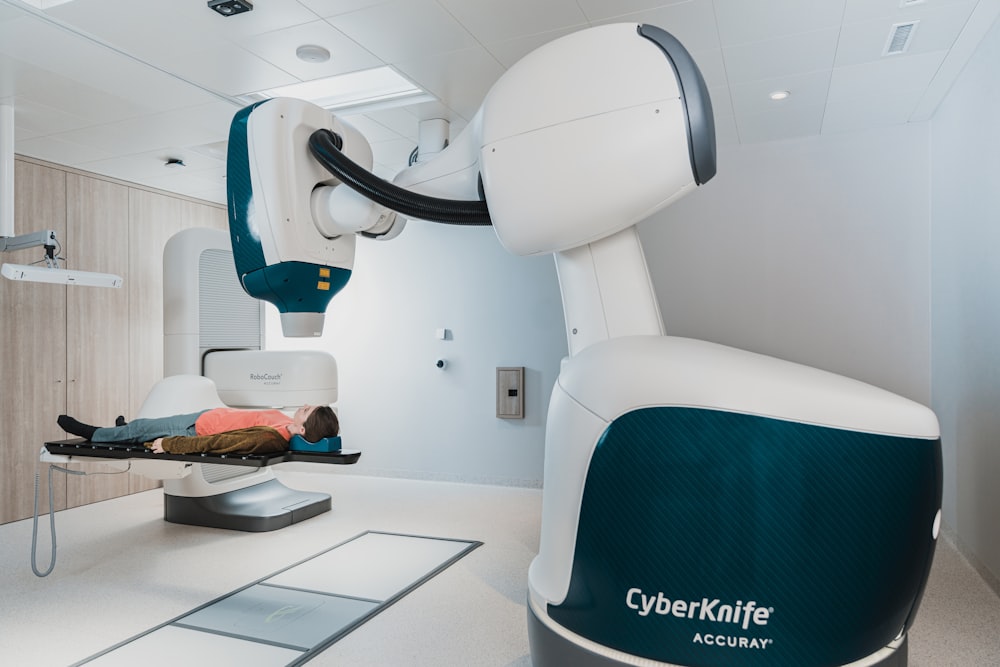
Ready to explore clinical trials?
Search clinical trials for brain metastases and find the ones that match your primary cancer type and molecular profile.
Find clinical trials